
Sustainability
Responsible and sustainable sourcing
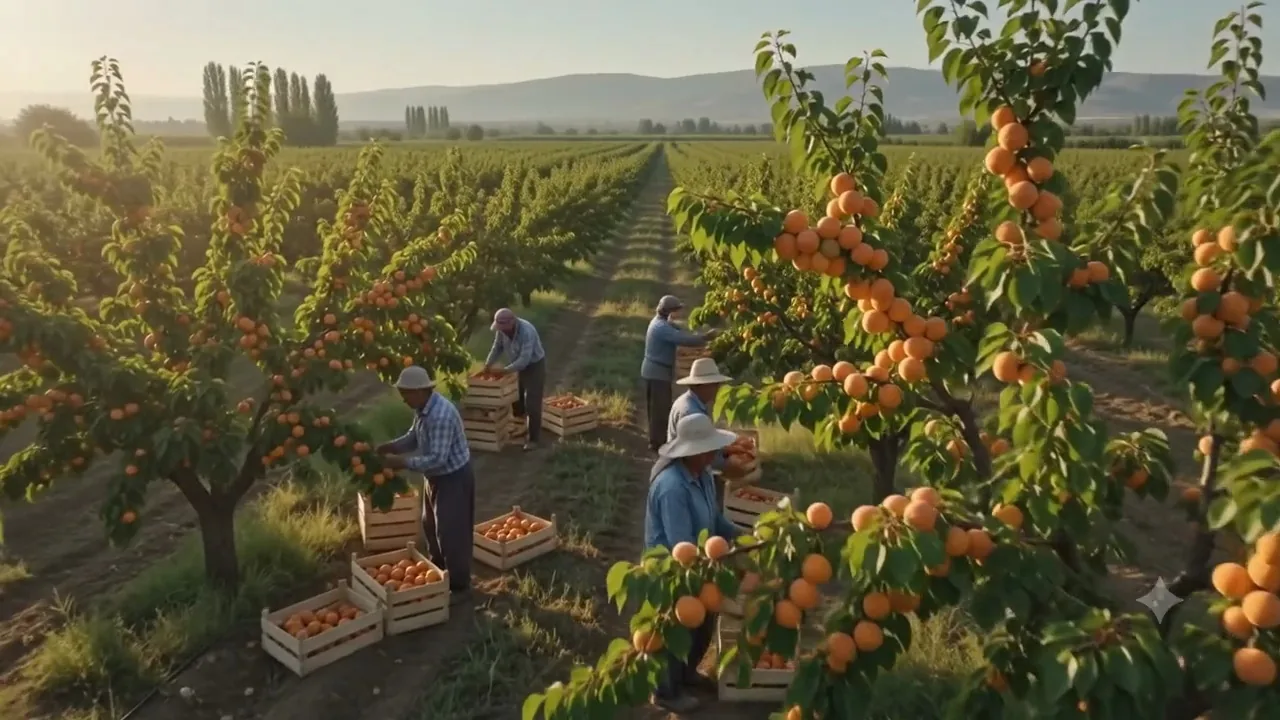
For us, sustainability means acting responsibly at every step of the supply chain: building fair relationships with our grower partners, reducing post-harvest losses, and contributing to the rural economy.
Responsible Sourcing
We build long-term, fair trade relationships with our grower network across Turkey's various production regions, and we regularly review the continuity of these partnerships.
Reducing Food Loss
We aim to minimize post-harvest losses through proper temperature control and packaging practices; see our Logistics page for our cold-chain temperature ranges.
Contribution to the Local Economy
We prioritize supporting rural employment and grower income by working with family businesses that have continued across generations.
Responsible Use of Resources
We prefer to work with grower partners who use water and soil resources efficiently.
Our contribution to the UN Sustainable Development Goals (SDGs)
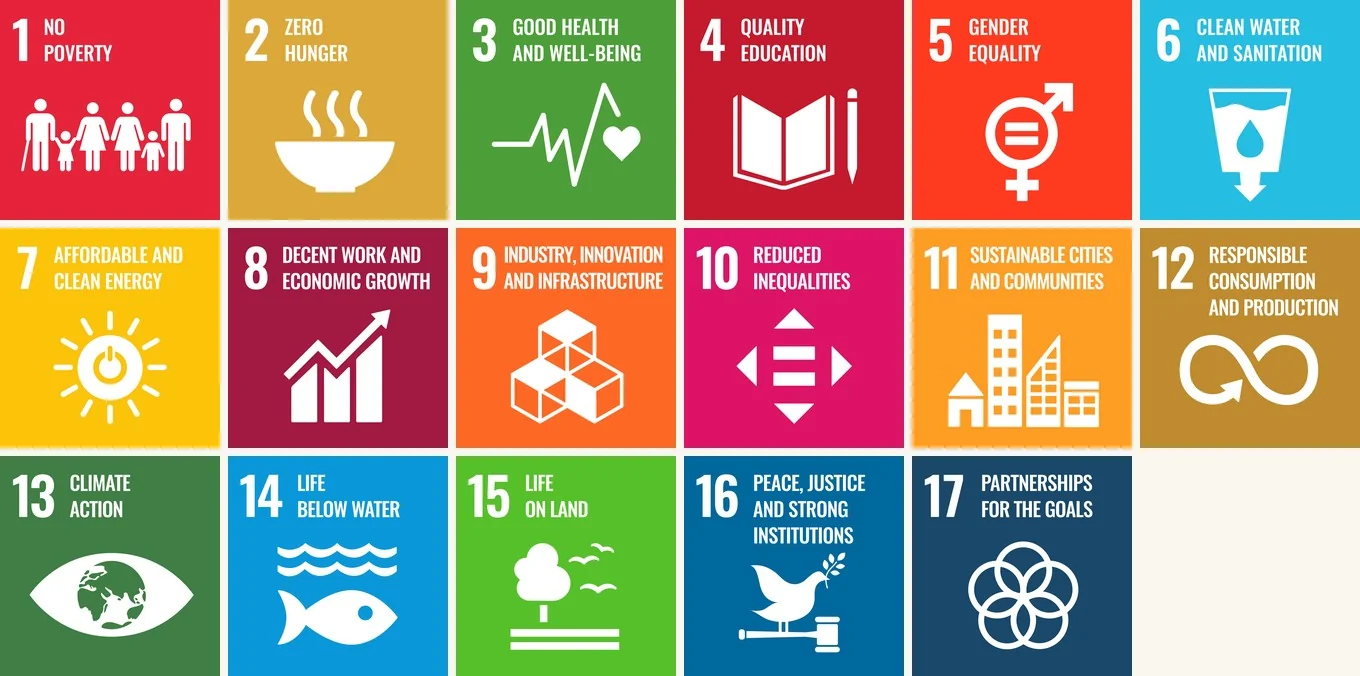
We map the practices already built into our supply chain to the United Nations' Sustainable Development Goals (SDGs). Below are the six that most directly overlap with what we already do.

Zero Hunger
Reliable food supply starts with correct classification and an unbroken cold chain. Produce that does not meet the required caliber, ripeness, or visual standard is systematically sorted out during grading, so only produce that meets Codex Alimentarius and UNECE standards ships. We maintain the cold chain without interruption from sourcing to delivery, and report temperature records on request. We also evaluate our grower partners against climate-resilient, soil-preserving farming practices, and regularly review the continuity of these partnerships.

Decent Work and Economic Growth
Our Ethical Trade and Human Rights Policy is grounded in ILO core conventions and Turkish Labor Law No. 4857, and rejects forced and child labor; wages may not fall below the legal minimum and overtime is paid. Under Occupational Health and Safety Law No. 6331, we assess risk in our storage, loading, and shipping operations in advance, and record incidents and near misses with their root causes. We provide an open, protected reporting route for anyone raising a concern about these policies. We expect the same principles from our grower partners, and prioritize supporting rural employment and income among our multi-generation family-business partners.

Responsible Consumption and Production
Our classification follows UNECE and Codex Alimentarius standards; our quality and food safety management systems are certified to ISO 9001:2015 and ISO 22000:2018 by an independent body. Proper temperature control, standard-compliant packaging, and an unbroken cold chain reduce post-harvest food loss, alongside our practices for cutting packaging waste and increasing recyclable material use. We record and evaluate customer complaints and feedback, and take corrective action to prevent recurrence — and this page is itself how we report on our sustainability practices.

Climate Action
Under our Energy Policy, we favor energy-efficient equipment and service providers for cold storage and transport. In shipment planning, we weigh destination, product shelf life, and delivery deadline together when choosing the transport mode (road, sea reefer, air cargo, or combined) to avoid unnecessary energy use. We monitor our energy consumption on an ongoing basis, evaluate opportunities to improve efficiency, and fully comply with applicable energy regulations.

Life on Land
We prioritize working with grower partners who use water and soil resources efficiently, and encourage responsible plant-protection practices that reduce residue risk across those partnerships. Under our Supplier Principles, only registered plant protection products may be used at label dose, pre-harvest intervals must be observed, and spray records are requested where needed. This approach helps prevent land degradation and protects terrestrial ecosystems.

Partnerships for the Goals
We build long-term, fair trade relationships with our grower partners and review the continuity of these relationships annually. We track compliance with our Supplier Principles through supplier declarations, shared records, and shipping documents, and request an on-site check in the production area where needed — asking first for corrective action when a non-conformity is found. We also respond to our buyers' corporate responsibility requirements by documenting our current practices, building strong, transparent partnerships across the supply chain.
The SDG icons are the United Nations' official icons; this content has not been approved by the United Nations and does not reflect the views of the United Nations, its officials, or Member States (see un.org/sustainabledevelopment).